What to check before choosing a Niagara Falls sightseeing trip
A trip to the falls can feel simple from a distance. Pick a date, choose an outing, show up. The details matter more than they first appear, though, because the area has several viewpoints, border rules, seasonal changes and timing quirks that can shape the day. Before committing to a niagara falls tour, it helps to look past the headline and check what the outing actually covers.
Start with the basics: where the day begins, how long it lasts and what is included between the start and finish. A short outing may focus on one side of the river, while a longer one may add nearby landmarks, a boat ride or time at a viewpoint. Neither option is automatically better. The right fit depends on how much time you have, how you like to move and whether you want a relaxed pace or a full itinerary.
Where the outing starts and ends
Meeting points are easy to overlook, yet they affect the whole day. Check the exact starting address, not just the city or the name of a landmark. Fallsview areas, the Table Rock area, the Clifton Hill district and locations on the American side are not interchangeable. A few kilometres can mean a taxi ride, a busy walk or a tight connection.
Also check the finish point. Some outings return to the starting location, while others end elsewhere. If you are staying for one night, arriving by train or continuing to another city, the endpoint can matter as much as the start. Leave room for delays, especially around peak visitor hours and weekend traffic.
What is actually included
Read the inclusions in plain language. A mention of the falls may mean a drive past, a stop at a viewpoint or a guided walk. A boat attraction may be included, weather permitting, or it may be an optional extra. Meals, admission fees, hotel pickup and gratuities may be separate. None of these is a problem if you know in advance. The trouble comes when expectations are built from a broad title rather than the day's details.
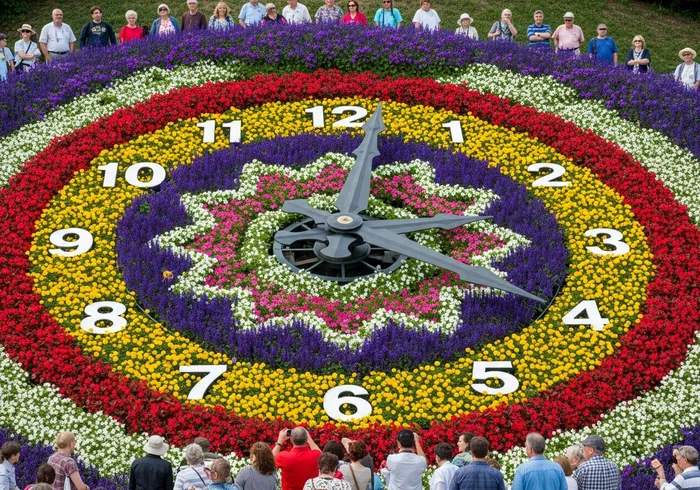
Pay attention to free time as well. A schedule packed with stops can feel efficient on paper but rushed in person. A loose plan with open time gives you room to take photographs, wander a short distance or simply stand and watch the water. If you travel with children or older adults, that breathing space can be more valuable than one extra stop.
Timing, season and daylight
The falls are impressive in every season, but the surrounding experience changes. Warm months bring heavier crowds and longer queues at popular viewpoints. Cold months can bring icy paths, mist that freezes on railings and shorter daylight. Spring and autumn can be pleasant, though weather can shift quickly.
Check the start time against your own energy and travel plans. Early starts can be quieter and give better light for photographs. Later outings may suit a slow morning or a late arrival. If an evening element matters, confirm whether it runs on your date, since seasonal schedules vary.
When comparing options such as Niagara Falls Tour, focus on the practical fit: date, start point, duration and the places you care about seeing. That keeps the decision grounded in the day you want rather than a list of appealing words.
Border and identity requirements
Niagara Falls sits on an international border, and some outings cross between Canada and the United States. That can add passport or visa requirements, border wait times and rules about what you can carry. Do not assume a route crosses or stays on one side just because the name mentions both countries.
Check your own documents before booking, especially if you are travelling with family members whose passports expire soon or who need entry permission. If a crossing is part of the day, build in patience. Border processing can change the pace of an itinerary, even when everything else runs smoothly.

Group size and pace
Group size changes the feel of a day. A larger group may move with a clear rhythm and fixed stops. A smaller group can feel more flexible, though it may still follow a set route. Think about how you prefer to listen, ask questions and move between viewpoints.
Ask whether the route involves stairs, long walks, uneven paths or extended standing. The falls area has accessible viewpoints, but not every stop suits every mobility level. If you use a cane, wheelchair or need regular breaks, check the route before you commit. A good plan is one that lets you enjoy the place without spending the day worrying about logistics.
Weather and what to bring
Mist is part of the experience near the falls. It can soak clothing and cameras, particularly close to the water. A light waterproof layer is useful in many seasons, and footwear with a firm grip helps on wet paths. In winter, traction matters more than style, and exposed viewpoints can feel colder than the town centre.
Bad weather does not always cancel an outing, but it can change what is comfortable or possible. Look for clear details on what happens if conditions affect a boat portion, a viewpoint stop or an outdoor walk. A flexible plan is easier to accept when you know the alternatives in advance.
Reputation and clear terms
Before paying, look for recent feedback from travellers with similar needs. Comments about punctuality, clarity and pacing tend to be more useful than vague praise. Repeated complaints about unclear meeting points or rushed stops are worth noting, especially if those details matter to you.
Then read the terms. Check the cancellation window, the rules for changes and what happens if the outing cannot run. Keep written confirmation of the date, start time, meeting place and inclusions. If a detail is missing, ask before you pay rather than trying to solve it on the morning.
A final pass before you book
A sensible last check takes only a few minutes. Confirm that the date matches your travel plans, the meeting point is realistic, the route includes the sights you want and the necessary documents are in order. Make sure the pace suits your group and that the terms are clear.
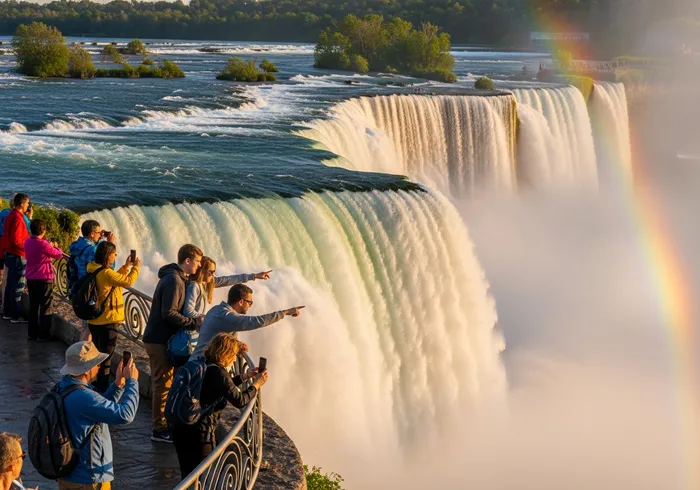
A Niagara Falls visit is often remembered for the sound of the water, the scale of the cliffs and the changing views from different angles. The best booking decision is the one that gives you space to take those in. Once the practical points are settled, the day can feel far easier, whether you have a few hours or a full schedule.